How to Make Shakshuka With Leftovers (5-Minute Prep, 1 Pan)
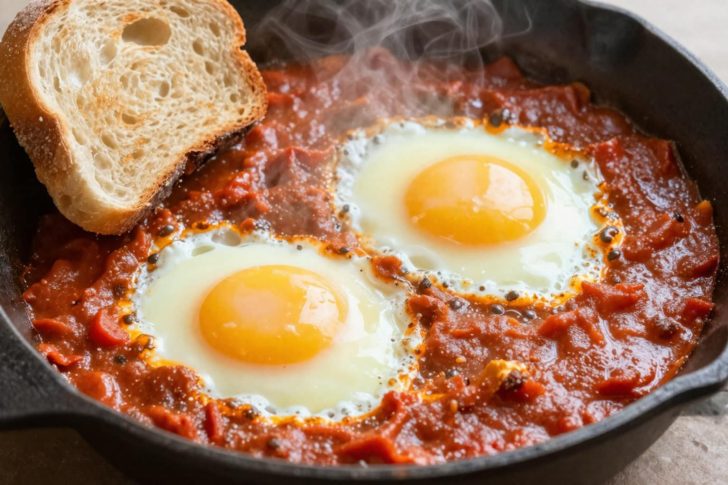
I stared into my fridge last Tuesday, hunting for dinner. Half a jar of marinara, a wrinkly bell pepper, three eggs, and a sad bunch of cilantro stared back. Twenty minutes later, I was dipping toast into a bubbling pan of shakshuka so good I actually texted my sister the recipe. That's the magic: you don't need a special grocery run. You just need one pan, five minutes of prep, and the guts to trust your leftovers. Here's exactly how to make a simple shakshuka with leftovers work, every single time.
Why Your Leftovers Deserve This 1-Pan Shakshuka Treatment
Shakshuka is basically the world's most forgiving egg dish. You simmer tomatoes and whatever vegetables you have into a thick, spiced sauce, then crack eggs right into it and let them poach in the bubbling red pool. The whole thing happens in one skillet, from start to table. That means less cleanup, less stress, and a dinner that feels way more intentional than "scrambled eggs again."
What makes it perfect for leftovers? The sauce is a blank canvas. Canned tomatoes are the classic base, but leftover pasta sauce, salsa, or even the last cup of roasted tomato soup works beautifully. Cooked vegetables—roasted zucchini, sautéed mushrooms, bell peppers, even leftover spinach from last night's stir-fry—add texture and flavor without extra work. Leftover grains like rice or quinoa can bulk it up into a heartier meal. And the eggs? They're the glue that turns a random collection of fridge odds-and-ends into a cohesive, satisfying dish.
I've made this with leftover chili (drain it first), roasted sweet potatoes, and even a handful of crumbled feta that was about to turn. Every time, the eggs saved it. The 5-minute prep isn't an exaggeration—once you've chopped one or two vegetables, you're done. The oven does the rest, or the stovetop if you're in a hurry. It's the kind of meal that makes you feel like a resourceful genius, not a desperate scrambler.
The 5-Minute Prep: What to Grab From Your Fridge and Pantry
Before you start, take a quick inventory. Here's what you're looking for:
- Tomato base (1–2 cups): Canned crushed tomatoes, leftover pasta sauce, salsa, or even a can of diced tomatoes. If it's watery, you'll simmer it down. If it's thick, add a splash of water or broth.
- Cooked vegetables (1–2 cups): Roasted bell peppers, grilled zucchini, sautéed mushrooms, leftover spinach, or even frozen mixed vegetables that you've thawed. Avoid raw zucchini or eggplant—they release too much water and make the sauce runny.
- Protein (optional): Leftover chickpeas, crumbled sausage, shredded chicken, or tofu. If you're using meat, chop it into bite-sized pieces.
- Grains (optional): Cooked rice, quinoa, or couscous. These soak up extra liquid and make the dish more filling.
- Aromatics: Onion and garlic are ideal, but if you don't have them, skip it or use a pinch of garlic powder and onion powder.
- Spices: Cumin, smoked paprika, and a pinch of cayenne or harissa paste are traditional. But if you only have chili powder and oregano, that works too.
- Eggs (2–4, depending on how many you're feeding): The star of the show.
- Finishing touches: Fresh herbs (cilantro, parsley, or even basil), feta cheese, or a squeeze of lemon.
What to avoid: Watery vegetables like raw zucchini, cucumber, or watermelon (yes, I've seen it attempted). Also avoid anything with a very strong flavor that might clash—like leftover sauerkraut or pickled beets. Trust your nose.
When I tried this with leftover roasted sweet potatoes and canned tomatoes, I added a sprinkle of cumin and smoked paprika. The sweetness of the potatoes balanced the acidity of the tomatoes perfectly. It took maybe four minutes to pull everything out of the fridge and chop the potato into cubes. That's the whole prep. No measuring, no fuss.
Step-by-Step: How to Make a Simple Shakshuka With Leftovers in One Pan
- Heat your pan. Use a 10- or 12-inch skillet (cast iron is ideal, but non-stick works). Add a tablespoon of olive oil or butter over medium heat.
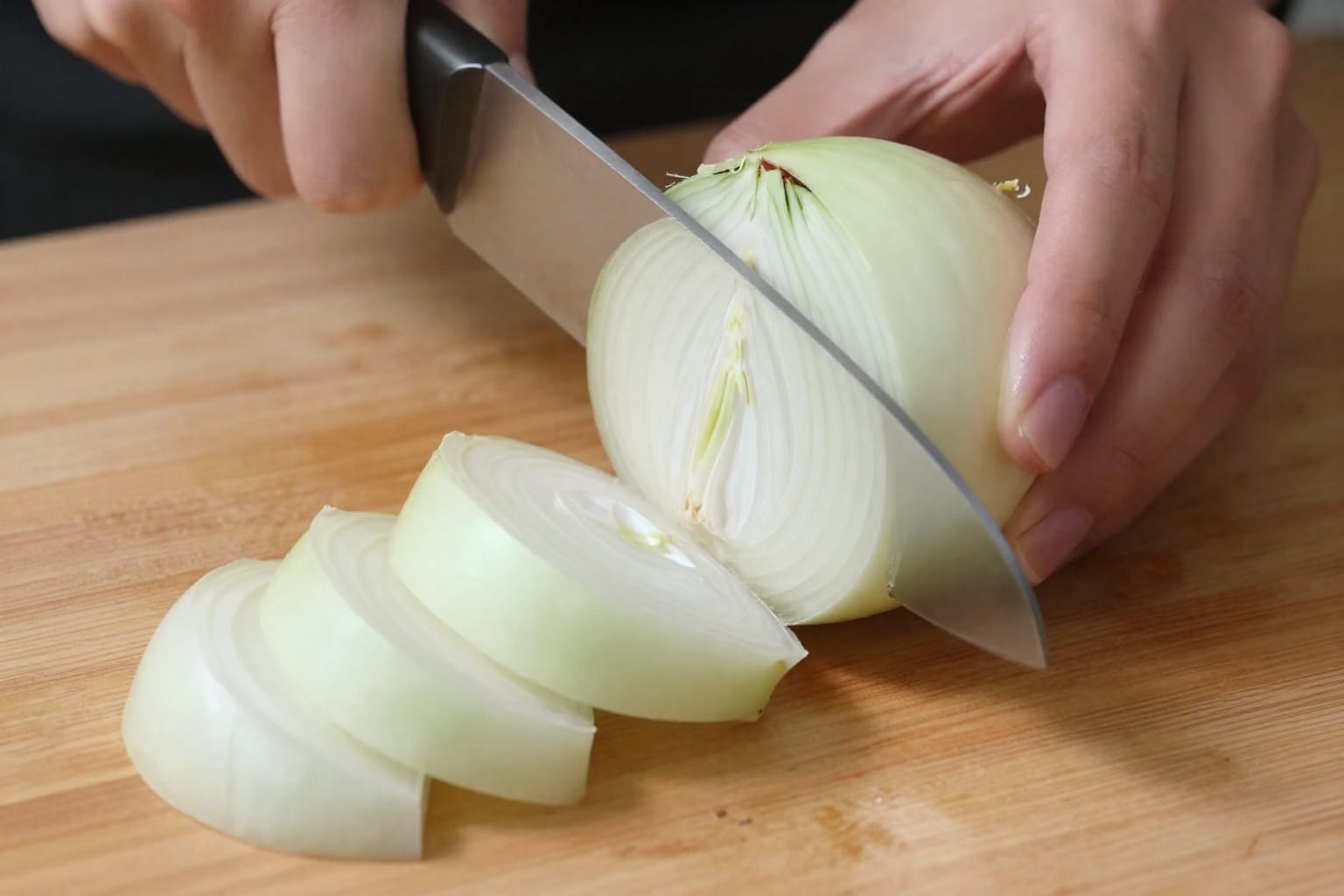
- Sauté aromatics (if using). Chop half an onion and a clove of garlic. Cook for 2–3 minutes until soft. If you're skipping this, just heat the oil briefly.
- Add your tomato base. Pour in the tomatoes, pasta sauce, or salsa. If it's thick, add a splash of water or broth. Stir in your spices—try ½ teaspoon cumin, ½ teaspoon smoked paprika, and a pinch of cayenne. Let it simmer for 3–4 minutes, stirring occasionally.
- Add leftover vegetables and protein. Stir in your cooked veggies, meat, or chickpeas. Let everything warm through for another 2–3 minutes. If the sauce looks too watery, let it simmer uncovered for 5–7 minutes to reduce. If it's too thick, add a little more liquid.
- Make wells for the eggs. Use a spoon to create 2–4 indentations in the sauce. Crack an egg into each well. Be gentle so the yolks stay intact.
- Cover and cook. Put a lid on the skillet (or a baking sheet if you don't have a lid). Reduce heat to low-medium. Cook for 6–8 minutes for runny yolks, or 8–10 minutes for firmer yolks. The whites should be set and the yolks still slightly jiggly.
- Finish and serve. Sprinkle with fresh herbs, crumbled feta, or a squeeze of lemon. Serve straight from the pan with crusty bread, pita, or leftover toast.
One tip I learned the hard way: don't peek too often. Every time you lift the lid, steam escapes and the eggs take longer to cook. If you're paranoid about doneness, gently jiggle the pan—the whites should be set but the yolks should wobble.
3 Leftover Combinations That Always Work (Plus One to Avoid)
Here are three combos I've tested in my own kitchen, plus one that flopped so you don't have to.
Combo 1: Roasted Veggies + Chickpeas
Leftover roasted bell peppers, zucchini, and onions from last night's sheet-pan dinner. Add a can of drained chickpeas, canned tomatoes, cumin, and smoked paprika. The chickpeas add protein and soak up the sauce. This is my go-to when I have a random assortment of roasted vegetables.
Combo 2: Leftover Pasta Sauce + Spinach
That half-jar of marinara sitting in the fridge? Perfect. Stir in a handful of leftover cooked spinach (or frozen spinach, thawed and squeezed dry). Add a pinch of red pepper flakes. The spinach adds color and nutrients without overwhelming the sauce. I've made this with leftover spaghetti sauce and it's always a hit.
Combo 3: Cooked Grains + Bell Peppers
Leftover rice or quinoa makes the shakshuka heartier. Sauté a chopped bell pepper (raw is fine here, since it cooks quickly). Add the grains, canned tomatoes, and a bit of cumin. The grains absorb the liquid and create a more substantial base. My husband, who usually complains about "egg dinners," asked for seconds.
The One to Avoid: Watery Raw Zucchini
I tried making shakshuka with raw zucchini once. Mistake. The zucchini released so much water that the sauce turned into a watery soup. The eggs poached unevenly, and the whole thing tasted bland. If you want to use zucchini, roast it first to remove excess moisture, or sauté it separately before adding it to the pan.
Pro Tips for Perfect Eggs Every Time — Even With Odd Leftovers
Here's the thing: eggs are forgiving, but they have limits. Here's how to nail them even when your leftovers are weird.
- Test doneness without breaking yolks: Gently touch the white near the yolk with the back of a spoon. If it feels firm but the yolk gives slightly under pressure, it's perfect. If the white is still runny, cover and cook another minute.
- Fix a watery sauce: If your sauce looks too thin before adding eggs, simmer it uncovered for 5–7 minutes. If it's still watery after you've added the eggs, stir in a tablespoon of tomato paste, leftover cooked rice, or even crushed crackers. They'll absorb the excess liquid.
- Fix a too-thick sauce: Add a splash of water, broth, or even milk. Stir well, then add the eggs.
- Poach eggs directly in the base: The key is to keep the heat low-medium. High heat will cook the whites before the yolks are warm, leaving you with rubbery whites and cold yolks. Low heat is your friend.
- Don't overcrowd the pan: If you're cooking for more than two people, use a larger skillet or make two batches. Overcrowding makes the eggs cook unevenly.
One last thing: if you're using leftover meat, chop it into small pieces so it heats through quickly. I once added a whole leftover chicken thigh to the pan and ended up with cold chicken in the middle of my shakshuka. Not ideal.
This dish is worth bookmarking before your next fridge-cleaning session. Once you get the hang of it, you'll never look at a half-empty jar of pasta sauce the same way again.
Frequently Asked Questions
Can I use leftover pasta sauce instead of canned tomatoes for shakshuka?
Yes, absolutely. Just thin it with a splash of water or broth if it's too thick, and adjust seasoning since pasta sauce is often pre-seasoned.
What if I don't have eggs but have leftover tofu or chickpea flour?
You can make a vegan shakshuka by crumbling tofu into the sauce or whisking chickpea flour with water to create a thick, egg-like topping.
How do I make shakshuka with leftover cooked meat (like sausage or chicken)?
Chop the meat into bite-sized pieces and stir it into the sauce before adding eggs. Cook until heated through, then proceed as usual.
My leftover sauce is too watery — what should I do?
Simmer uncovered for 5–7 minutes to reduce, or stir in a tablespoon of tomato paste, leftover cooked rice, or crushed crackers to thicken.
Can I freeze leftover shakshuka for later?
Yes, freeze the sauce (without eggs) in an airtight container for up to 3 months. Thaw, reheat, then poach fresh eggs when ready to serve.
Practical takeaway: Shakshuka is your leftovers' best friend. Grab any tomato base, cooked veggies, and eggs, and you're ten minutes away from a meal that feels intentional, not thrown together. No special ingredients required.