Commuting by Scooter vs Ride-Hailing: What's Actually Cheaper
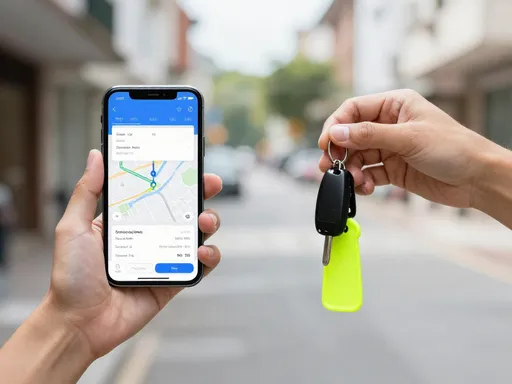
The daily Grab ride feels convenient but adds up fast. Imagine cutting your commute costs by half or more with your own scooter—without sacrificing too much comfort. This honest Malaysian breakdown reveals what your wallet (and sanity) can actually expect.
The True Per-Ride Cost of Ride-Hailing in Malaysia
To understand whether commuting by scooter is truly cheaper, we first need to lay out the real cost of relying on ride-hailing. Let’s focus on a typical Malaysian urban commute—say a 10 km trip from a suburban area into the city center, which mirrors many riders’ daily journeys in KL, Penang, or JB.
During off-peak hours, a basic Grab ride for that distance might fall between RM8 and RM12. However, peak hours tell a different story. Between 7:30 AM and 9:00 AM or 5:00 PM and 7:00 PM, that same trip can easily jump to RM15–RM20 under normal demand, with surge pricing pushing it past RM25 when rain hits or event traffic builds up. For a commuter doing a round trip, a conservative peak-hour daily cost sits around RM30, but it’s not uncommon to see RM40 on a bad day.
Most of us don’t just take one ride to work and back. Quick lunch errands, evening classes, or meeting friends add extra trips. If you hail two extra rides per workday—say a short 5 km hop each—your base fare multiplies. Off-peak those might be RM6–RM8 each, peak RM10–RM12, adding another RM12–RM24 daily. Suddenly a single day could run between RM42 and RM64 when surge is active.
Over a typical 22-working-day month, just the base commute might average RM660 if we keep to a RM15 average per trip. Tacking on four errand trips per week (one return journey for weekends) can easily tack on RM120–RM200 extra, depending on distance. The final monthly figure for a ride-hailing-dependent lifestyle easily lands between RM800 and RM1,000—sometimes more if you live further out or regularly travel during surge windows. Those numbers are the baseline we’ll compare against the often surprisingly low running costs of a scooter.
Owning a Scooter: Upfront and Monthly Fixed Costs
When you buy a scooter, the first figure to consider is the purchase price. In Malaysia, popular entry-level models like the Modenas Kriss 110 start around RM4,000, while the Honda Wave Alpha is roughly RM5,500. Most buyers use hire purchase financing, which typically requires a down payment of 10% to 20%. For example, on a RM5,000 scooter, you might pay RM500 to RM1,000 upfront.
Monthly installments then spread the remaining balance over 2 to 4 years. With average interest rates between 5% and 8% per annum, a 3-year loan on that same RM5,000 scooter (after down payment) could cost around RM130 to RM160 per month. Rates are higher for younger riders or shorter employment history, so shopping around helps.
Insurance is compulsory and adds to your fixed outgoings. Third-party coverage can be as low as RM100–RM200 per year for experienced riders, but for new or young riders, premiums may climb higher. Comprehensive insurance, which covers your own scooter against theft or damage, will cost more—often RM300–RM500 annually depending on the model and your profile.
Road tax for motorcycles under 150cc is just RM2 per year, a negligible cost. One-off registration fees and number plate charges usually amount to a few hundred ringgit, often bundled into your initial payment. Summing it up, after the initial down payment and registration, your predictable monthly commitments hover between RM150 and RM200 when you factor in installments and insurance, making scooter ownership a stable and transparent alternative.
Recurring Running Costs: Fuel, Maintenance, and Parking
Fuel efficiency of popular kapchai and scooters ranges from 40 to 60 km per litre. For a daily round trip of 20 km, you’ll use less than a litre of petrol. At current RON95 prices, that’s roughly RM2 per day. Over a month of commuting, expect to spend between RM40 and RM50 on fuel—a predictable and tiny fraction of your budget.
Routine maintenance is the next piece. Oil changes every 3,000–5,000 km typically cost RM25–50 at a workshop, while basic servicing like chain lubrication and brake checks adds little. Tyres need replacement every 15,000–20,000 km, costing around RM150–250 per set. Spread over time, these scheduled services average RM50–70 per month for a rider covering 1,000 km monthly.
Parking is where scooters truly shine. Many offices, malls, and public spaces offer free or low-cost motorcycle lots. Paid parking at LRT stations or commercial centres usually charges RM1–2 per entry, with monthly passes often RM30–50. Even if you pay daily, your monthly parking bill rarely exceeds RM60.
Occasional repairs for wear items like brake pads, bulbs, or a battery replacement are infrequent but worth budgeting for. Setting aside RM20–30 each month covers these minor surprises without stress.
Altogether, the recurring costs of running a scooter for daily commuting stay remarkably low, keeping your transport affordable and predictable all year round.
Beyond Ringgit: Time, Convenience, and Rainy Day Realities
When you commute by scooter, the trip starts the moment you swing a leg over the seat. There's no waiting for a driver to accept the ride, no circling the block, and no surge pricing when it rains. Door-to-door travel time is often cut by a third compared to ride-hailing, especially in Kuala Lumpur's peak-hour crawl. On a scooter, you filter through traffic and park right at your destination.
Flexibility is another win. Need to grab milk on the way home? Just pull over at the kedai runcit. Spontaneous meet-ups with friends are simple, without the hassle of arranging a new ride or juggling multiple drop-offs. A scooter makes your schedule your own.
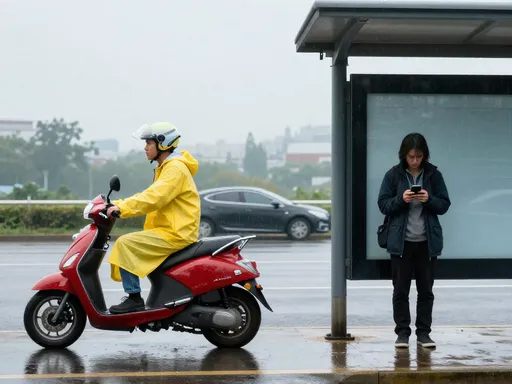
But tropical downpours are a daily reality. A reliable rain suit and waterproof bag are essential, adding a small upfront cost. Riding in heavy rain demands extra caution: reduced visibility, slippery roads, and longer braking distances. You'll arrive damp some days, whereas a car keeps you dry. Factor in the discomfort of riding in soaked clothes versus the shelter of a car.
Stress varies by rider. Some find the heat and humidity draining, while others feel liberated by the breeze. Riding requires constant alertness, and traffic can test your patience. Road confidence grows with time, but the mental load of navigating Malaysian drivers is real. Weigh these intangible aspects carefully—they often sway the decision more than ringgit and sen.
Monthly and Annual Cost Showdown: Scooter vs Ride-Hailing
Here’s where the numbers meet the road. We’ll build a simple monthly and annual projection for a typical urban Malaysian commuter—someone who travels about 22 days a month, with two trips a day (to work and back). The scooter example is a budget-friendly 110cc model like a Yamaha Ego, with a loan over 3 years and moderate mileage.
Monthly cash flow: whom do you pay?
Scooter monthly costs (typical) | Item | Estimated cost (RM) | |------|---------------------| | Monthly installment (after 10% down) | 100 – 140 | | Fuel (approx. 2.5 L/100 km, 40 km/day) | 50 – 70 | | Routine maintenance (oil change, etc.) | 25 – 40 | | Insurance (comprehensive, annual ÷ 12) | 15 – 25 | | Parking (if paid) | 20 – 40 | | Total monthly | 210 – 315 |
Ride-hailing monthly costs Assumptions: RM8–RM12 per trip, 44 trips per month (22 days × 2), with occasional surge pricing. - Low-end: RM8 × 44 = RM352 - High-end: RM12 × 44 = RM528 - Average real-world: RM400 – RM500
Already, the scooter is RM100–RM200 cheaper each month—and you own the asset.
Year 1 vs. Year 5: the long view
Year 1 includes one-off costs: down payment (RM500–RM800), road tax, registration, plus two or three scheduled services. Even so, total first-year scooter outlay (including loan repayments) often lands between RM3,500 and RM5,000. Ride-hailing for a full year? At RM440 per month, you’re looking at RM5,280—with nothing to show but receipts.
By Year 5, the scooter loan is long settled. Cumulative spending might look like: - Scooter: Year 1 high upfront, then settling into RM150–RM200/month for fuel, maintenance, and insurance. Total over 5 years: RM10,000–RM13,000 (including purchase price). - Ride-hailing: 5 years × RM5,280/year = RM26,400. Even with conservative ride costs, you’re spending more than double.
Depreciation reduces the scooter’s resale value to maybe RM1,500–RM2,000, but that still narrows the gap. After factoring in major maintenance (belt, tyres, battery replacements in year 3–5), the scooter remains the clear financial winner.
When does the scooter pay for itself?
Using the above numbers, the break-even point—when cumulative scooter costs equal cumulative ride-hailing costs—usually arrives between 14 and 20 months. That’s the moment when your scooter’s initial sting (down payment + early running costs) is overtaken by the steady drain of ride-hailing. After that, every trip saves you money.
The hybrid scenario: scooter + rainy-day ride-hailing
In Malaysia, afternoon thunderstorms can make two-wheel commuting feel treacherous. What if you ride the scooter on 18 fine days and grab a ride-hailing car on 4 rainy days each month?
- Scooter costs remain nearly the same—fixed costs don’t vanish on idle days. Fuel drops slightly, saving RM10–RM15.
- Ride-hailing for 4 days (8 trips) costs RM64–RM96.
- Combined monthly: scooter (RM210–RM315) minus small fuel savings + RM80 = roughly RM280–RM390. That’s still well below full-time ride-hailing (RM400–RM500).
You preserve safety and comfort when needed, yet keep monthly transport spending 20–30% lower than app-dependent commuting. It’s the best of both worlds for budget-conscious riders.
So, whether you ride daily or mix in a few ride-hailing trips, the cost advantage of a scooter stacks up quickly—often within the first two years. The real question isn’t whether a scooter is cheaper, but how soon you’ll enjoy the savings.
Which Option Fits Your Life Stage?
Your life stage can tilt the scooter versus ride-hailing decision. A university student watching every ringgit may find that a second-hand kapcai pays for itself within a semester if used daily, especially when campus trips are short and parking is free. Splitting Grab fares with friends feels light on the wallet, but those RM5–8 rides add up fast.
For a working adult with a stable commute, a scooter often unlocks meaningful savings. The monthly difference can be redirected into a travel fund, family expenses, or even extra loan repayments. Beyond the money, you gain the freedom to leave on your own clock—no more refreshing the app while rushing for a morning meeting.
Parents of young children face a different reality. Safety comes first, and Malaysia’s pillion regulations mean carrying a small child is rarely permitted. School runs, heavy groceries, and sudden downpours make ride-hailing the more practical, less stressful choice, even if it costs more on paper.
If you ride for gig platforms, the scooter is a production tool—its costs are part of doing business. Tracking your expenses carefully lets you offset ownership against earnings, so the math often works in your favour. Just be disciplined about setting aside money for maintenance and renewals.
FAQ
Is it cheaper to buy a scooter or use Grab every day in Malaysia?
Over a typical year of daily commuting, buying a scooter is significantly cheaper than using Grab, with fuel and maintenance costing far less than daily ride-hailing fares. However, if you ride only occasionally, Grab eliminates upfront costs and monthly loan payments. Compare your expected monthly mileage and usage pattern to decide.
How much does it cost to maintain a scooter monthly in Malaysia?
For a typical 150cc scooter used for daily commuting, budget RM100–RM200 per month for periodic servicing, engine oil, and replacement of wear items like brake pads and tyres. This estimate excludes major repairs; regular upkeep keeps long-term costs low.
Can I finance a scooter with a low salary?
Many dealers offer hire purchase with monthly instalments from RM150–RM250 for entry-level scooters, making it accessible for lower incomes. You'll need proof of stable employment, and it's wise to keep total debt payments below 50% of your salary to avoid financial strain.
What is the safest budget scooter for commuting in KL?
The Honda Wave 125 or Yamaha Ego Solariz (around RM5,000–RM6,000) offer reliable braking and manoeuvrability suited to KL's traffic. Prioritise models with combined braking or disc brakes, and always wear protective gear regardless of scooter choice.
Should I use ride-hailing on rainy days even if I own a bike?
For heavy rain or flash floods common in KL, ride-hailing is a safer alternative to riding, reducing risks of skidding and poor visibility. For light showers, you can ride with extra caution, but always assess road conditions first.