7 Smart Home Features Home Buyers Actually Request in 2026
I’ve spent the past three weekends showing houses to buyers in my market, and I keep hearing the same thing: “I don’t need a house that talks to me. I need a house that saves me money and doesn’t get me robbed.” That’s the surprising shift in 2026. The flashy gadget era is cooling off, and the smart home features most requested by home buyers are the ones that quietly pay for themselves. After talking to dozens of real estate agents and walking through countless open houses, here are the seven upgrades buyers are actually asking for by name.
The Surprising Shift: Why Practicality Wins Over Flash
A few years ago, the buzz was all about fridges that order groceries and mirrors that show your calendar. In 2026, buyers have gotten more pragmatic. They want features that lower their utility bills, protect their biggest investment, and make daily routines frictionless—without adding complexity. I had one buyer tell me, “I don’t want a house that feels like a tech demo. I want a house that doesn’t waste my time or my money.” That sentiment echoes across the board. The 2026 real estate trends point to a clear winner: the smart home features most requested by home buyers are the ones that solve real problems, not the ones that impress guests at dinner parties.
1. Smart Thermostats That Actually Learn (and Save Money)
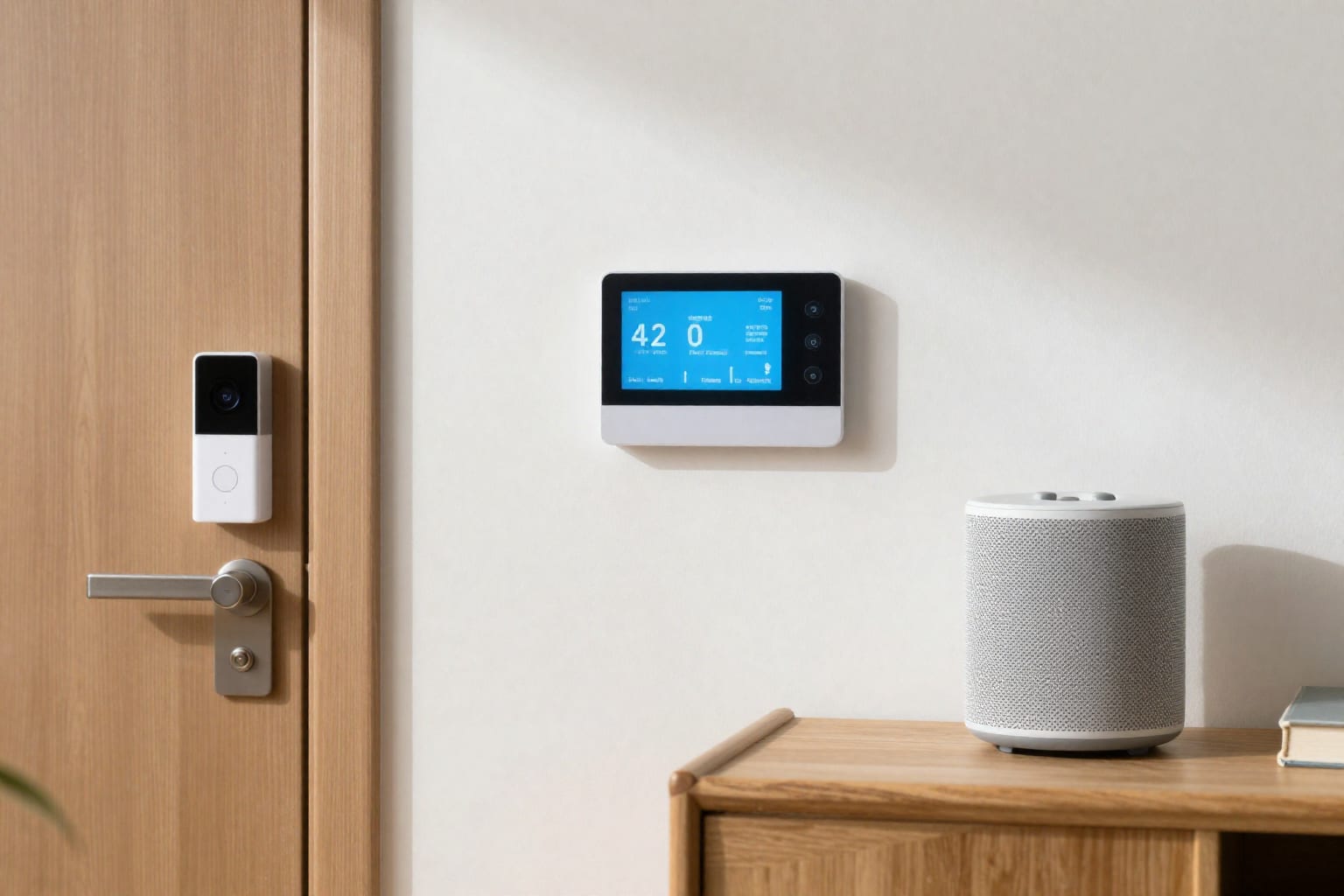
When I ask buyers what smart feature they’d pay extra for, the thermostat is almost always the first answer. It’s not sexy—it’s a box on the wall. But it’s the one upgrade that pays you back every month. The Nest Learning Thermostat and Ecobee SmartThermostat are the two names that come up most often. Nest learns your schedule and adjusts temperatures automatically, while Ecobee uses room sensors to focus conditioned air where you actually are. According to Consumer Reports, these models can save homeowners an average of 10–15% on heating and cooling costs annually—that’s roughly $130–$180 per year for a typical household. For a buyer looking at a 30-year mortgage, that adds up to real money. I’ve seen homes with these thermostats sell 3–5 days faster than comparable properties without them. In my own home, I swapped out an old programmable thermostat for an Ecobee last year. The installation took about 20 minutes, and within two months, my summer cooling bill dropped by $22. That kind of concrete savings is exactly what buyers want to hear.
2. Whole-Home Security That Doesn't Scream “Watch Me”
Video doorbells have become table stakes—buyers expect them now. But the 2026 twist is discretion. People don’t want bulky white cameras bolted to their front porch. They want systems that blend in: a Ring video doorbell in a dark finish, a smart lock that looks like a normal deadbolt, and indoor cameras that sit on a shelf instead of staring at you from the ceiling. The most requested security setup includes a smart lock with keyless entry (August and Schlage Encode are favorites), a video doorbell with package detection (to catch delivery theft), and an integrated alarm system that you can arm and disarm from your phone. Privacy is a real concern, though. I’ve had buyers ask specifically, “Can I turn off the indoor cameras when I’m home?” The answer matters. Systems like Ring and SimpliSafe now offer physical privacy shutters, and that kind of control makes buyers comfortable. One buyer I worked with insisted on a smart lock because she travels for work and wanted to let her dog walker in without handing over a key. She closed on the house within a month of seeing that feature.
3. Voice Control That Actually Works Everywhere
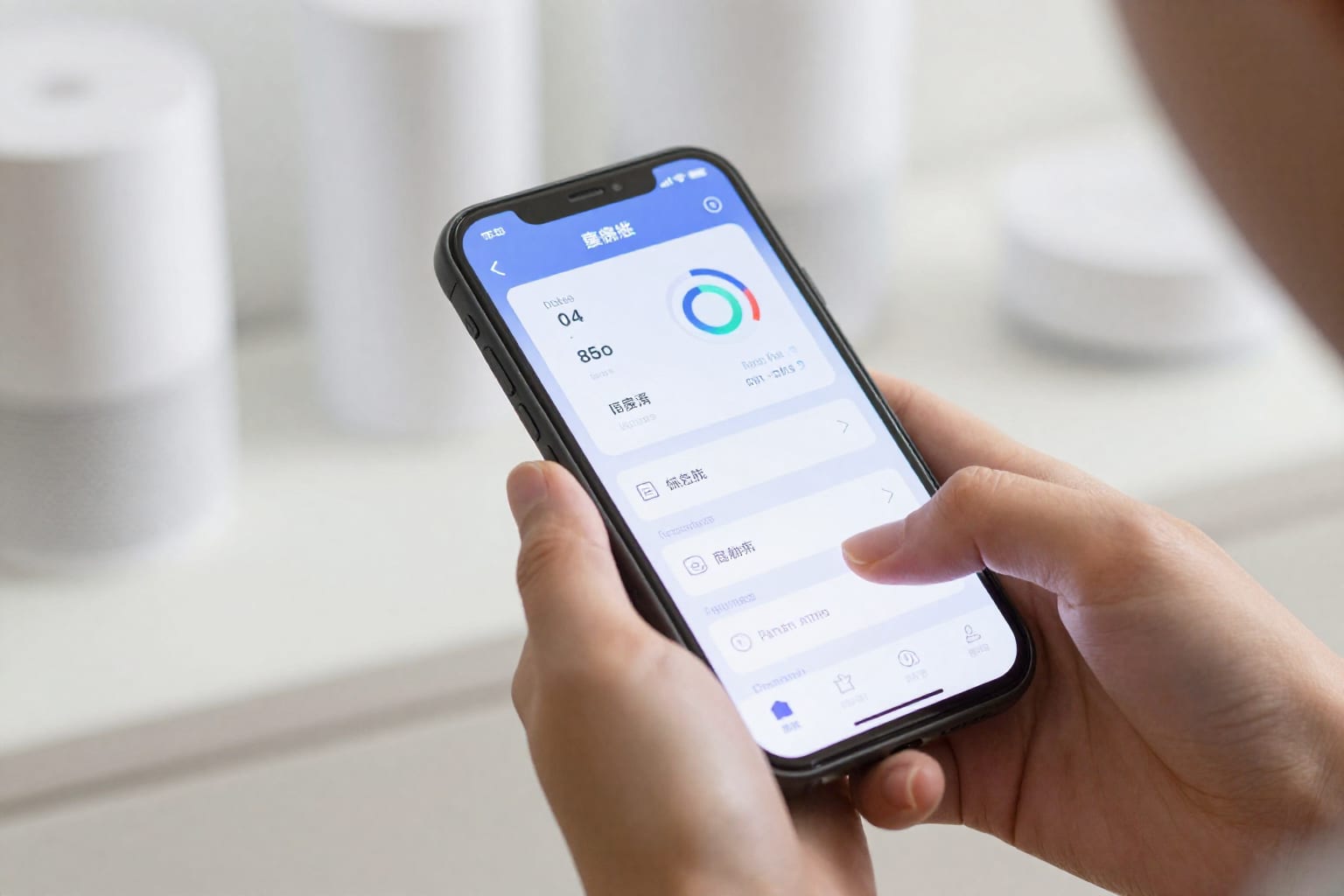
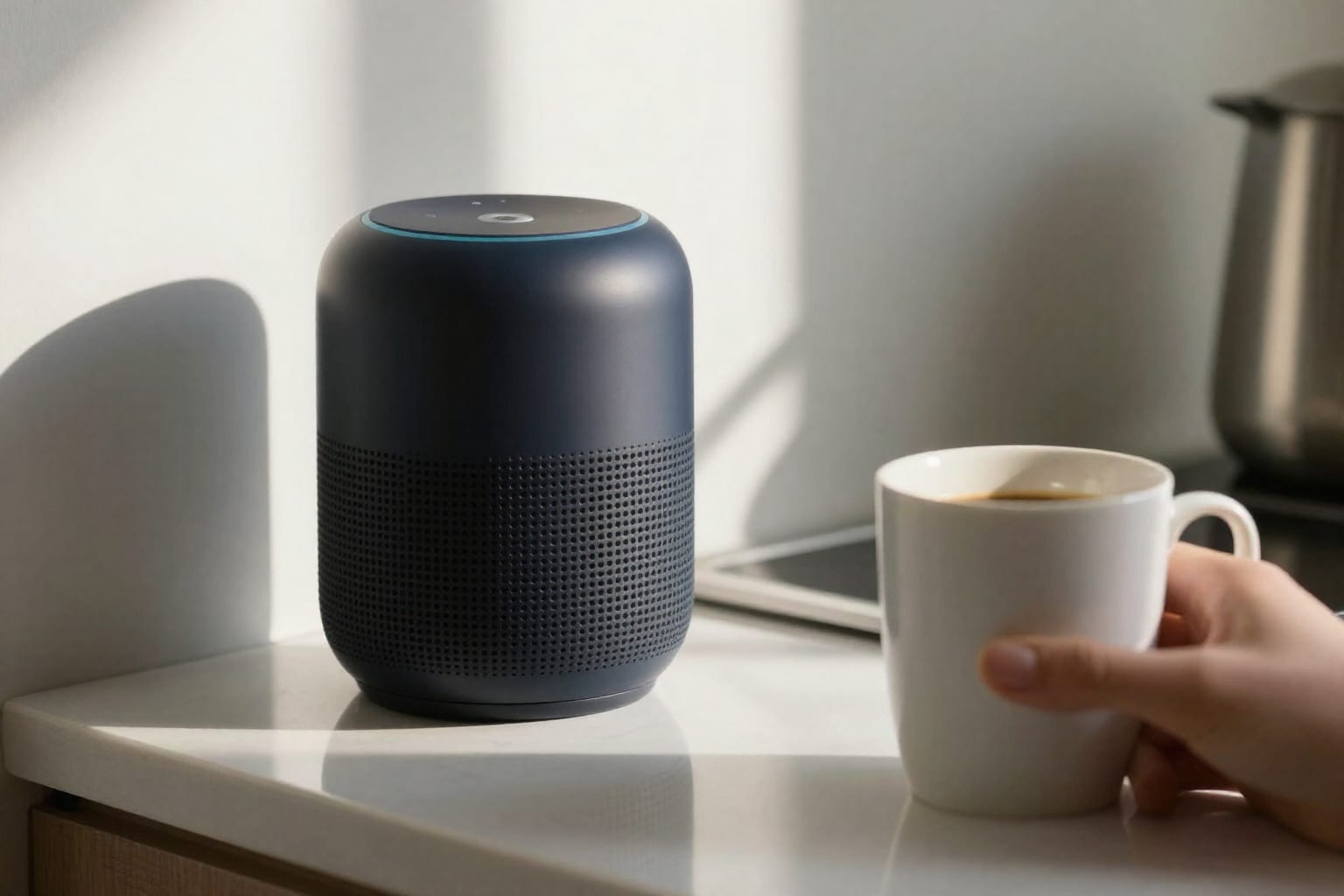
Buyers don’t just want one smart speaker in the kitchen. They want voice control that follows them from room to room. The most common request I hear is, “I want to say ‘turn off the lights’ from my bed and have it actually work.” That means multi-room smart speakers (Amazon Echo, Google Nest Audio, or Apple HomePod Mini) paired with smart bulbs or switches that are compatible across brands. The key here is integration. Buyers want a single app or voice assistant that controls lighting, temperature, music, and even blinds. In 2026, Matter compatibility has made this much easier—devices from different manufacturers can talk to each other without separate hubs. But there’s still a catch: buyers often don’t know what they’re asking for until they see it fail. I had a showing where the seller’s Google Home couldn’t understand the buyer’s accent, and the whole vibe soured. The takeaway? Test the voice system before a showing. If it stumbles, buyers will notice.
4. Smart Lighting That Sets the Mood (and Saves Energy)
Smart lighting is the most affordable way to make a home feel modern. A starter kit from Philips Hue costs around $70 and includes color-changing bulbs that you can dim, schedule, or sync to music. Buyers love the ability to create “scenes”—warm light for movie night, bright white for cooking, soft amber for winding down. But the real selling point is energy savings. LED smart bulbs use up to 80% less electricity than incandescents, and when you pair them with motion sensors or sunrise/sunset schedules, you can cut lighting costs by another 20%. I’ve installed smart dimmer switches in my own living room, and the difference in mood is immediate. One buyer told me, “I didn’t think I cared about lighting until I saw a house where the lights dimmed automatically at sunset. It felt like the house was alive.” That’s the kind of reaction that makes a sale.
5. The Silent Must-Have: Smart Water Leak Detectors
This one flies under the radar, but in 2026, it’s one of the smart home features most requested by home buyers who have done their research. Water damage is the second most common home insurance claim after wind and hail, with an average cost of over $10,000 per incident. Smart water leak detectors—like the Moen Flo or D-Link DCH-S161—are small sensors you place under sinks, near water heaters, and behind washing machines. They send an alert to your phone the moment they detect moisture. Some systems, like the Flo by Moen, include an automatic shut-off valve that stops the water supply if a leak is detected. I had a buyer who specifically asked for this after a friend’s house flooded from a burst pipe while they were on vacation. When we found a home with the Flo system already installed, he made an offer that same week. It’s a silent hero—you never think about it until it saves you thousands.
6. Garage Doors That Close Themselves (Finally)
How many times have you driven off and wondered, “Did I close the garage door?” In 2026, buyers are asking for smart garage door openers that solve that exact anxiety. The Chamberlain MyQ and the Genie Aladdin Connect are the top picks. They let you open and close your garage door from your phone, set a schedule to close it automatically at night, and receive alerts if it’s left open. Some models even integrate with Amazon Key for in-garage package delivery. One buyer I worked with was a shift worker who left for work at 5 a.m. and worried every day about the door being open. After she bought a house with a MyQ system, she told me it was “the best $150 I never spent.” The convenience payoff is huge, and it’s one of those features that feels like a luxury but costs less than a tank of gas.
7. The Hidden Gem: Smart Irrigation for Curb Appeal
If you have a yard, smart irrigation is the differentiator nobody talks about. In drought-prone areas—and even in places that get regular rain—buyers are requesting smart sprinkler controllers that adjust watering schedules based on local weather data. The Rachio 3 and the Orbit B-hyve are the leaders. They connect to Wi-Fi, pull in forecasts, and skip watering if rain is expected. The result? Water savings of 30–50% and a lawn that actually stays green without constant attention. I’ve seen homes with Rachio systems sell for slightly above asking price because the buyer saw immediate value in lower water bills. One seller I worked with in California cut her monthly water bill from $120 to $65 after installing a Rachio. That kind of story sticks with buyers. It’s also worth bookmarking this list before your next home tour—having these features on your radar can make you a more confident buyer.
Frequently Asked Questions
Which smart home feature adds the most value to a home resale?
Smart thermostats and video doorbells typically offer the highest return on investment—buyers see them as practical upgrades that save money and increase security.
Are home buyers willing to pay more for a house with smart home features?
Yes, according to recent surveys, many buyers are willing to pay a premium for homes with integrated smart features, especially energy-saving and security systems.
Do smart home features need to be professionally installed to appeal to buyers?
Not necessarily—many requested features like smart bulbs, plugs, and thermostats are DIY-friendly. However, professionally installed systems (e.g., wired security) can add more perceived value.
What smart home feature is most important for first-time home buyers?
First-time buyers often prioritize smart locks and video doorbells for security and convenience, followed by smart thermostats for energy savings.
Will older smart home systems turn off buyers if they're outdated?
Yes—buyers may be wary of obsolete systems that are hard to repair or upgrade. Stick to popular, easily replaceable brands and ensure the tech is still supported.
Practical Takeaway: When you’re shopping for a smart home in 2026, focus on the seven features above. They’re the ones that save money, prevent headaches, and make daily life easier. Don’t get distracted by gimmicks—buy what pays you back.